Source Box Braids for Wholesale, Custom Orders, and Retail
Explore 30 verified listings for Box Braids including curly, butterfly, and boho styles. Buyers can compare synthetic hair materials, lengths, and customization options from Henan suppliers to find the right wholesale solutions.
Key considerations
Products List


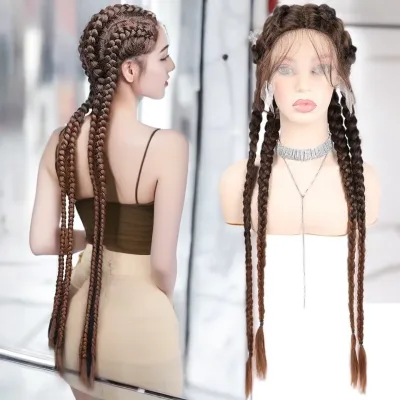


Factory Wholesale Price High Temperature Synthetic Extension Jumbo Braiding
$1.30 - $1.50
MOQ: 100 Pieces


Comprehensive Sourcing Guide
Strategic Sourcing Guide for Box Braids and Related Hair Extensions
Understanding Product Categories and Technical Specifications
The market for Box Braids encompasses a diverse range of synthetic hair extensions designed for various styling techniques, from crochet braids to pre-styled wigs. When sourcing, buyers must first distinguish between the specific texture and construction methods listed in product catalogs. The primary technical observation for this category is the prevalence of synthetic materials, specifically high-temperature synthetic fiber, which allows for heat styling up to a certain limit without melting. This material choice is critical for durability and versatility in different climates.
A significant portion of the inventory features specific texture classifications such as "Synthetic Crochet Box Braids Hair Extension," "Butterfly Box Braid Crochet Hair," and "Boho Box Braids." These distinctions are not merely aesthetic but dictate the installation method and the final visual outcome. For instance, the "Butterfly" texture implies a specific looped or twisted construction often used for crochet installations, whereas "Boho" styles may feature a looser, more natural wave pattern. Buyers should verify the exact texture description against their intended application, as a product labeled for crochet may not perform well for a direct knotless installation.
Length is another critical specification that varies significantly across the product range. Observed data indicates standard lengths of 14 inches and 24 inches. The 24-inch option is prevalent in models like CH-019 and YGB01, offering a dramatic, long look, while the 14-inch variant, seen in model CH-020, provides a shorter, more manageable style. Weight standards also vary, with packs ranging from 65 grams to 140 grams depending on the model and density. For example, model CH-021 is standardized at 65 grams per pack, whereas CH-019 offers a range of 80 to 140 grams. Understanding these weight-to-length ratios is essential for calculating the total volume of hair required for a full head installation.
Compliance, Certification, and Material Safety
In the B2B procurement of hair extensions, verifying compliance and material safety is paramount, particularly when products are destined for markets with strict consumer protection laws. The supply chain data indicates that certain products in this category carry CE certification. This certification is a mandatory conformity mark for products sold within the European Economic Area, indicating that the manufacturer has assessed the product and meets EU safety, health, and environmental requirements. Buyers should explicitly request proof of this certification for any batch intended for European distribution to avoid customs delays or legal liabilities.
Material composition is a primary driver of safety and performance. The dominant material identified is high-temperature synthetic fiber, which is distinct from human hair or lower-grade plastics. A key technical attribute observed is that these products are "Not Dyeable." This is a critical operational constraint; buyers must ensure their marketing and end-user instructions clearly state that the hair cannot be chemically treated with standard hair dyes, as this will damage the fiber. Conversely, the "Muti-Color" (Multi-Color) attribute suggests that the color variation is achieved during the manufacturing process through fiber blending or pre-dyeing, rather than post-production customization.
While the core hair products are synthetic, the supply chain also includes related industrial components, such as threaded parts made of metal for weaving equipment. These items, often classified under "Processing with Material Supplied," require different compliance checks than the hair itself. For these mechanical parts, the focus shifts to dimensional accuracy and material strength, with standards like 43*113mm specified for certain spindle or bobbin components. Buyers sourcing a complete package of hair and equipment must ensure that the metal parts meet the specific mechanical tolerances required for their weaving machines, as mismatched dimensions can lead to equipment failure.
Cost Drivers and Pricing Structures
The pricing structure for Box Braids is influenced by several variable factors, including material quality, packaging, and order volume. The observed price range in the market spans from $0.01 to $49 per unit, a wide spectrum that reflects the diversity of product tiers. The lower end of this range typically corresponds to basic synthetic packs with standard packaging, while the higher end may include premium density, specialized textures, or custom branding.
Packaging plays a significant role in cost allocation. Standard inner packaging often consists of cardboard and PVC bags or OPP bags, which are cost-effective and provide basic protection. However, for bulk shipments or higher-value items, wooden boxes are utilized, as seen in specific industrial component listings. The choice of packaging directly impacts the final landed cost, especially for international shipping where volume and weight are key determinants of freight charges.
Minimum Order Quantity (MOQ) is another critical cost driver. The observed MOQ range spans from 1 to 1000 units. This flexibility allows buyers to test the market with small orders or commit to large-scale production runs. For buyers seeking the lowest unit price, approaching the upper end of the MOQ range is generally advisable, as suppliers often offer tiered pricing structures. Additionally, the availability of OEM/ODM services introduces a variable cost element. Customization, such as specific branding or unique color blends, typically incurs additional setup fees and may require a higher MOQ to be economically viable.
Typical Applications and Market Segmentation
The versatility of Box Braids extends across multiple market segments, driven by the specific attributes of the hair extensions. The "Universal" suitability of these products suggests they are designed to accommodate various hair types and head sizes, making them a staple for general beauty supply chains. The "Lace Front Wigs" category, featuring elastic lace and transparent colors, targets a more specialized segment of the market focused on natural-looking hairlines and full-head coverage. These wigs, often machine-made with densities ranging from 120% to 150%, cater to consumers seeking high-volume, fullness in their styling.
Industrial applications also exist within this keyword ecosystem. The presence of "Threaded Parts" and "Brainding Machine Spindle" components indicates a supply chain that supports the manufacturing of hair extensions themselves. These metal parts are essential for the automated production of braids, serving as the mechanical backbone for weaving equipment. Buyers in this sector must ensure compatibility with existing machinery, as the "Match Machine" attribute highlights the importance of precise engineering.
For retail and salon use, the "Curly" and "Boho" styles are particularly popular for creating textured, voluminous looks that require minimal daily maintenance. The "Wholesale" advantage noted in product descriptions suggests that these items are primarily targeted at bulk buyers, including distributors, salon chains, and e-commerce retailers. The ability to offer "Many Colors Can Be Availabled" allows retailers to stock a diverse inventory without committing to a single colorway, reducing the risk of unsold stock.
Supplier Evaluation and Sourcing Strategy
Evaluating suppliers for Box Braids requires a rigorous assessment of their capabilities beyond just product availability. The data indicates that many suppliers are located in Henan, China, a region known for its textile and hair extension manufacturing hubs. When evaluating potential partners, buyers should verify the supplier's capacity for "Processing with Material Supplied" and their ability to handle "OEM/ODM Order Available" requests. This capability is crucial for brands looking to differentiate themselves through custom packaging or unique product specifications.
The "Customization" attribute being available is a strong indicator of a supplier's flexibility. However, buyers must clarify the scope of this customization. Does it include custom labeling, specific color blending, or unique packaging solutions? The "Cardboard and PVC Bag or OPP Bag" options suggest standard packaging, but the availability of "Wooden Box" for certain items indicates that premium packaging is an option for high-value orders.
Supplier reliability can be gauged by their adherence to standards and certifications. The presence of CE certification on some products is a positive signal, but buyers should not assume all products from a supplier carry this mark. It is essential to request specific certification documents for each product line. Furthermore, the "Condition: New" attribute for threaded parts and the "General Processing" level for other items suggest a focus on quality control, but buyers should still implement their own inspection protocols to ensure consistency.
Quality Control and Long-Term Procurement Considerations
Implementing a robust quality control (QC) protocol is essential for maintaining brand reputation in the hair extension market. Given that the hair is "Not Dyeable," QC checks should focus on fiber integrity, color consistency, and the absence of shedding or tangling. For the "High Temperature Synthetic Fiber," buyers should verify that the heat resistance claims are accurate through random sampling and testing, ensuring the hair does not melt or frizz under standard styling conditions.
For the mechanical components, such as the "Brainding Machine Spindle," QC must focus on dimensional accuracy and material strength. The standard dimensions of 43*113mm must be strictly adhered to, as deviations can cause machine jams or production downtime. Regular audits of the supplier's production line can help identify potential issues before they affect the supply chain.
Long-term procurement considerations involve building a sustainable relationship with suppliers who can scale with demand. The wide MOQ range (1-1000) offers flexibility, but buyers should aim to negotiate favorable terms for repeat orders. Consistency in product standards, such as the 65g to 140g weight variations, is vital for inventory management. Buyers should also consider the environmental impact of their sourcing, as synthetic fibers are petroleum-based, and explore suppliers who may offer more sustainable packaging options or recycling programs.
Finally, the "Wholesale" nature of the market means that buyers must be prepared for fluctuations in demand. Stocking a variety of lengths (14-inch and 24-inch) and textures (Crochet, Butterfly, Boho) can help mitigate the risk of stockouts. By maintaining a diverse inventory and working with suppliers who offer robust customization and certification support, buyers can ensure a steady supply of high-quality Box Braids that meet the evolving needs of their customers.
Summary of Key Product Attributes
| Attribute Category | Specific Observation | Relevance for Buyer |
|---|---|---|
| Material | High Temperature Synthetic Fiber | Determines heat styling limits and durability. |
| Texture | Crochet, Butterfly, Boho, Curly | Dictates installation method and final style. |
| Length | 14 inch, 24 inch | Impacts volume required and visual outcome. |
| Weight | 65g - 140g per pack | Essential for calculating total hair needed. |
| Certification | CE (on select items) | Mandatory for EU market entry. |
| Customization | Available (OEM/ODM) | Enables brand differentiation and private labeling. |
| Origin | Henan, China | Indicates manufacturing hub and potential lead times. |
| Packing | OPP/PVC Bag, Wooden Box | Affects shipping costs and product protection. |
By adhering to these guidelines and leveraging the specific data points available, buyers can navigate the complex landscape of Box Braids sourcing with confidence, ensuring they secure products that meet both technical requirements and market demands.
FAQs
What materials are used for Box Braids?
The hair extensions are made from high-temperature synthetic fiber. This material is durable and heat-resistant but is not dyeable, so users must select colors during manufacturing rather than applying dye later.
Which certification is available for these products?
Some products in this category carry CE certification. This mark indicates compliance with EU safety, health, and environmental requirements, which is essential for buyers planning to distribute goods within the European Economic Area.
Can I order custom packaging for Box Braids?
Yes, customization is available for packaging and branding. Standard options include cardboard and PVC bags or OPP bags, while wooden boxes are used for specific industrial components or bulk shipments requiring higher protection.
What lengths are available for Box Braids?
Standard lengths include 14 inches and 24 inches. The 24-inch option is common for dramatic styles, while the 14-inch variant offers a shorter look, with pack weights ranging from 65 to 140 grams depending on the model.
How is the hair texture classified?
Textures include Synthetic Crochet Box Braids, Butterfly Box Braid Crochet Hair, and Boho Box Braids. These distinct styles dictate the installation method, with butterfly textures often used for crochet installations and boho styles featuring looser waves.
What is the origin of these hair extensions?
The products originate from Henan, China. This region is a known manufacturing hub for textile and hair extensions, offering suppliers capable of processing with material supplied and handling OEM or ODM orders.